Toolkits to help with tobacco in multi-unit housing
Tenants

Protect Your Health
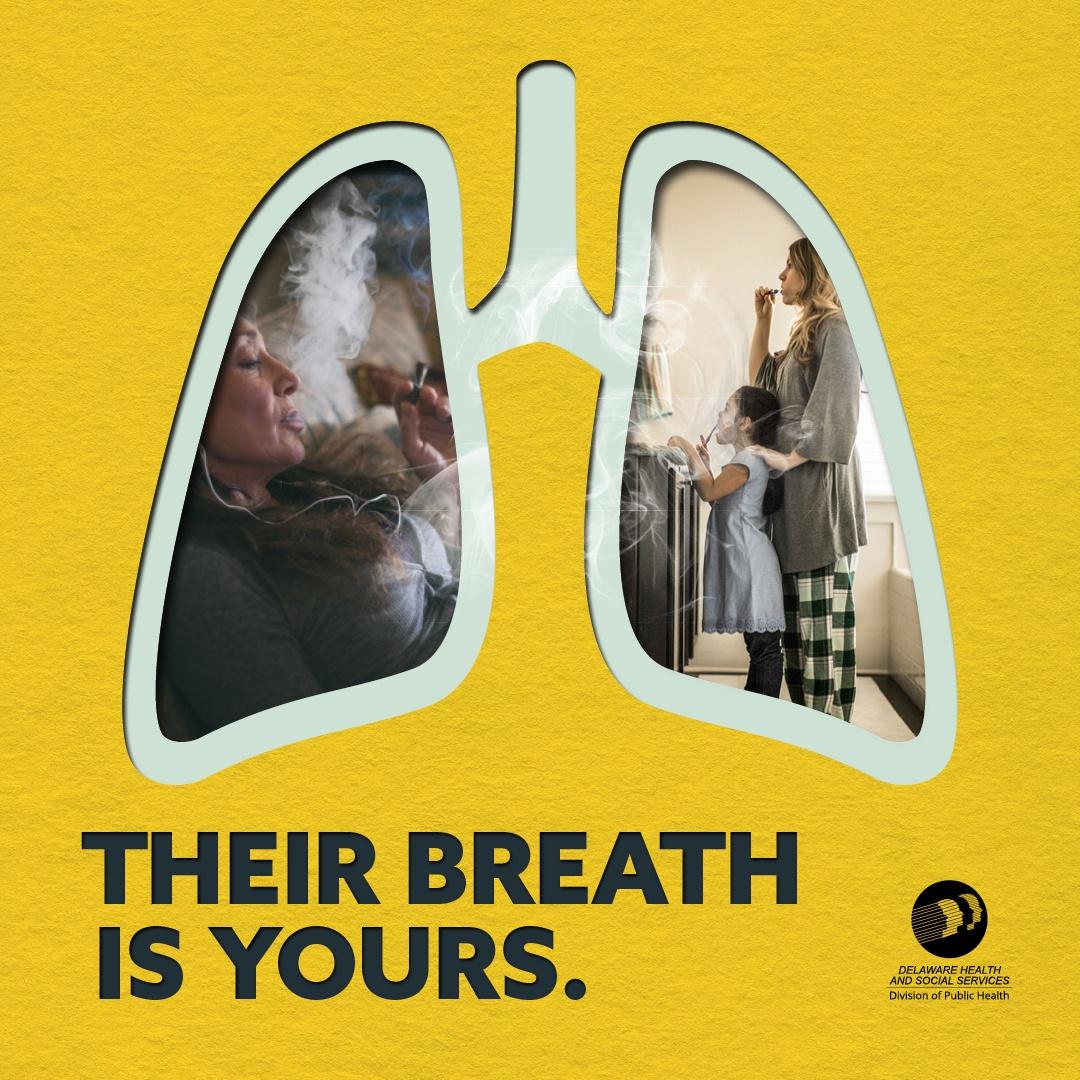
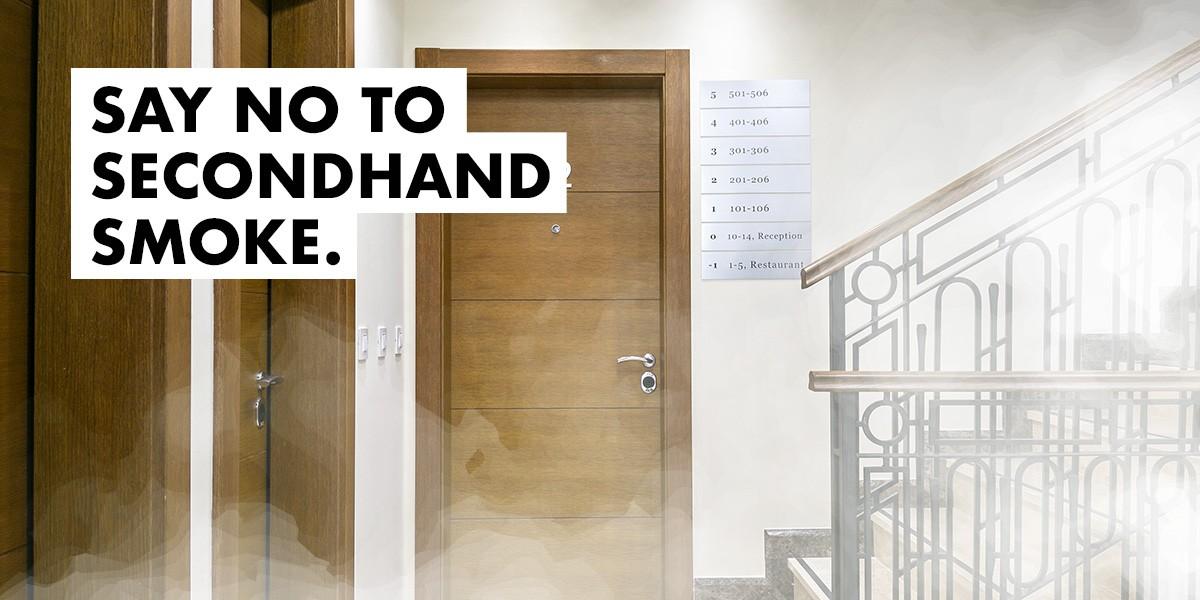
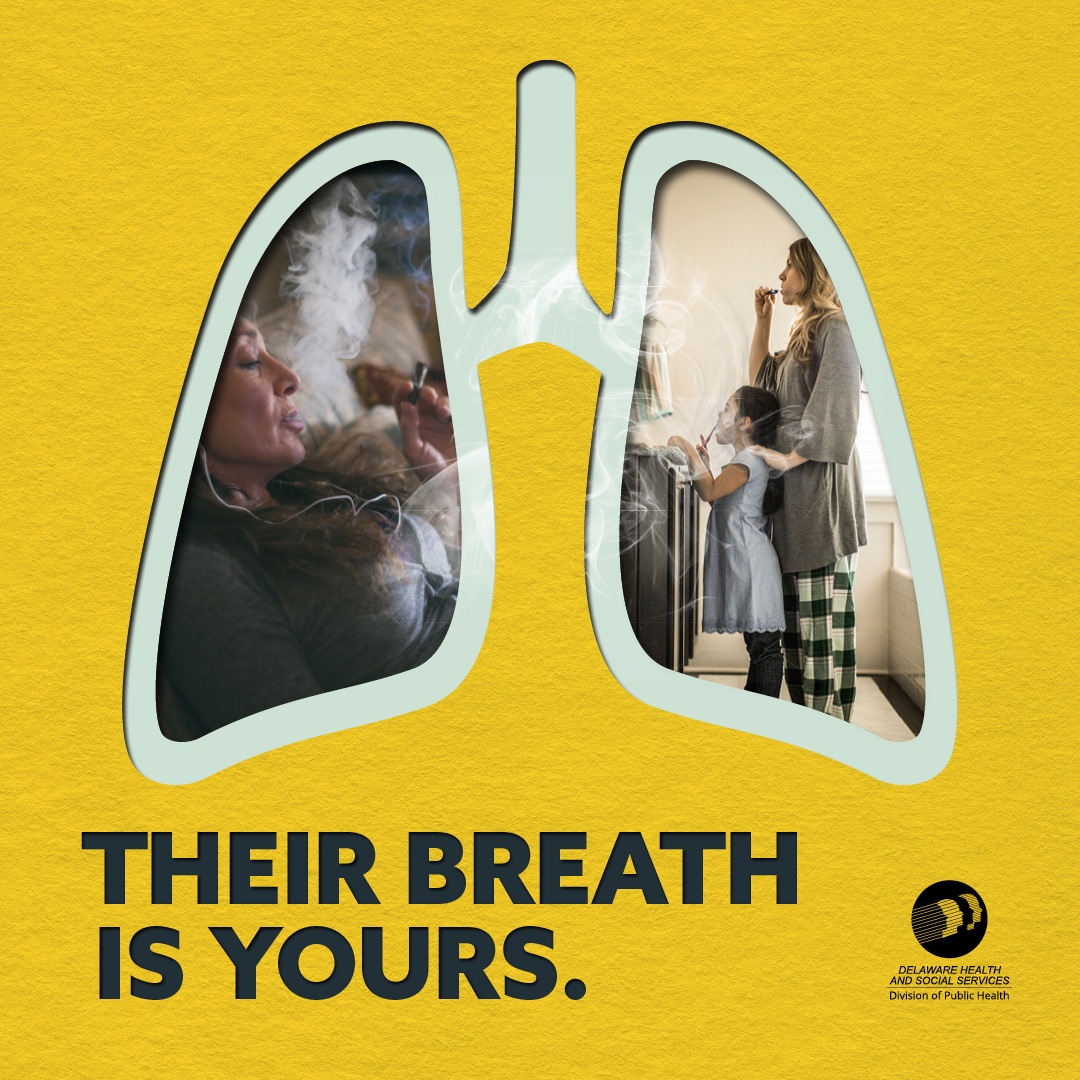
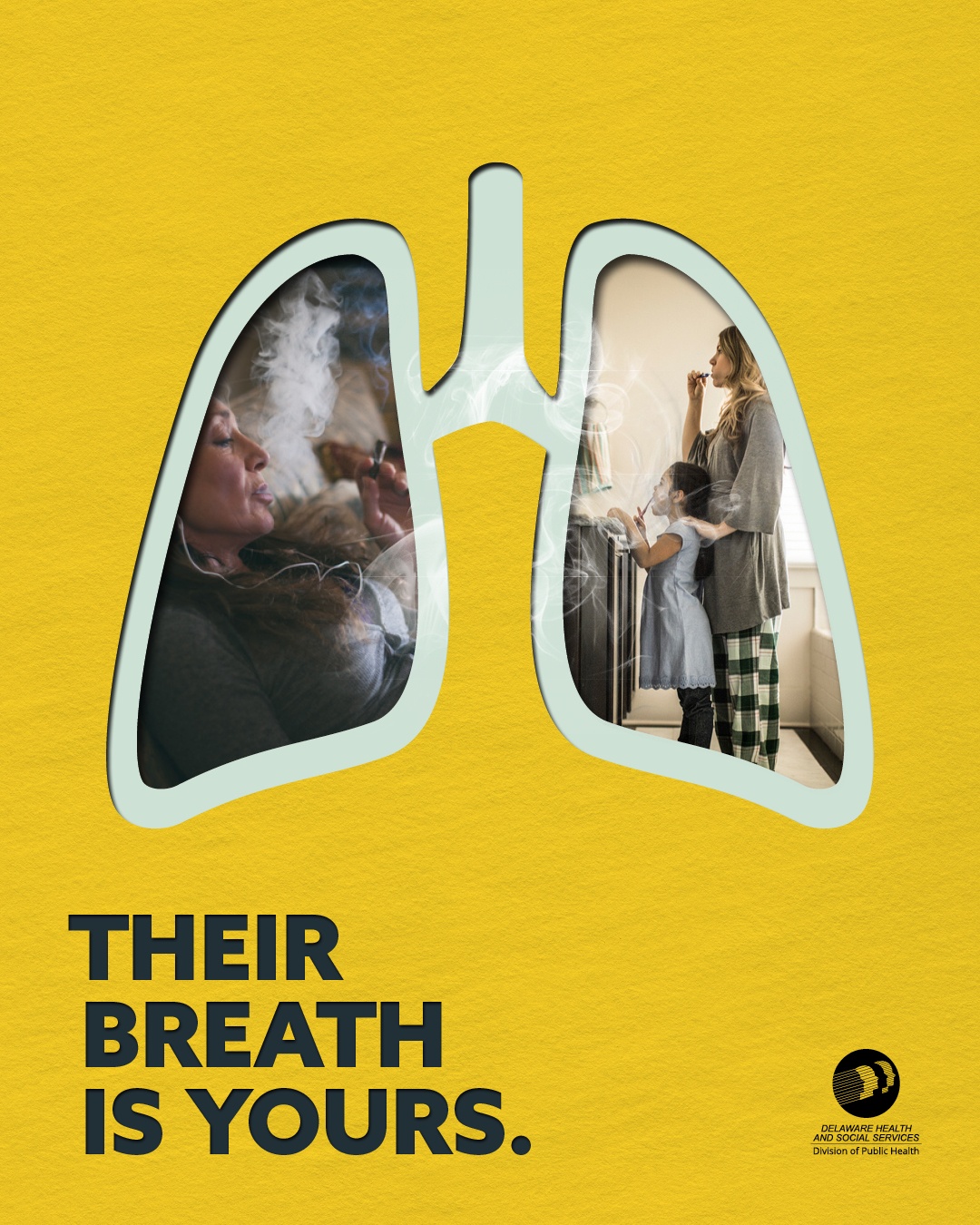
Think you're safe if you're not the one smoking? Think again. Secondhand smoke travels through windows, vents, cracks, and more. Being around it regularly is dangerous for you and your family.
It's a Group A carcinogen.
That means it causes cancer, and there's no safe level of exposure.
It's a toxic air contaminant.
That means it's in the same category as car exhaust and factory smog.
It's harmful after it leaves.
Smoke residue clings to carpets and upholstery, and chemicals are absorbed into the skin.
It's as if you were smoking.
Secondhand smoke causes approximately 41,000 deaths annually.
Cessation Assistance/Resources
If you want to quit or know someone who smokes and might be ready to quit, you're not alone. Delaware offers free, nonjudgmental quit support via phone, in person, or online. You may also be eligible for quit-aid products.
Find help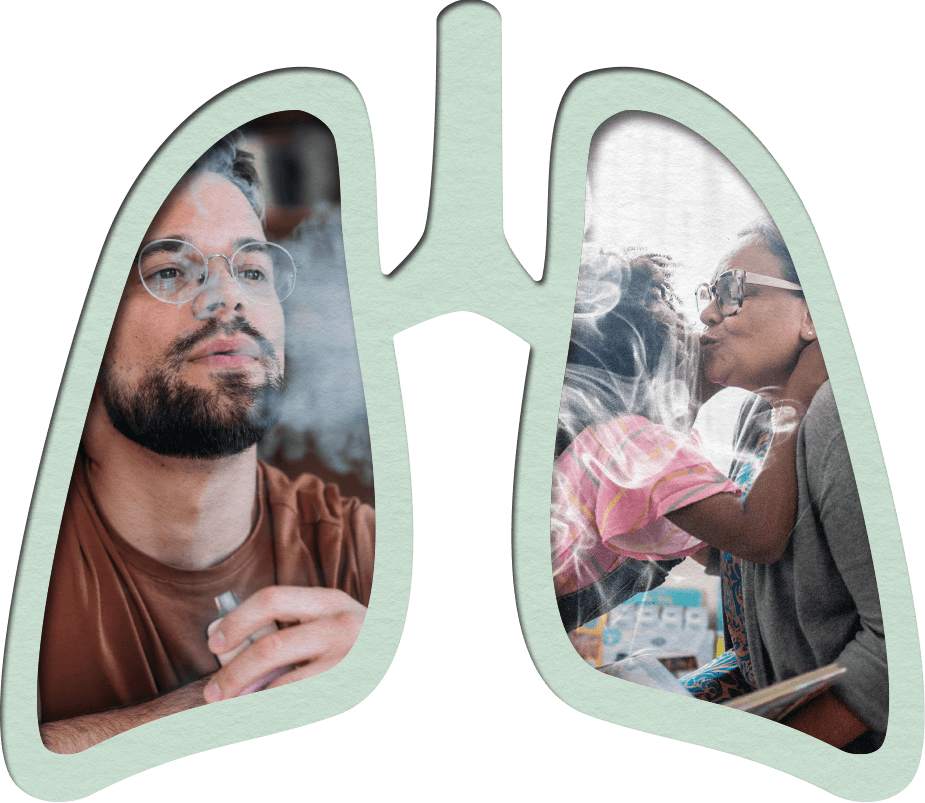
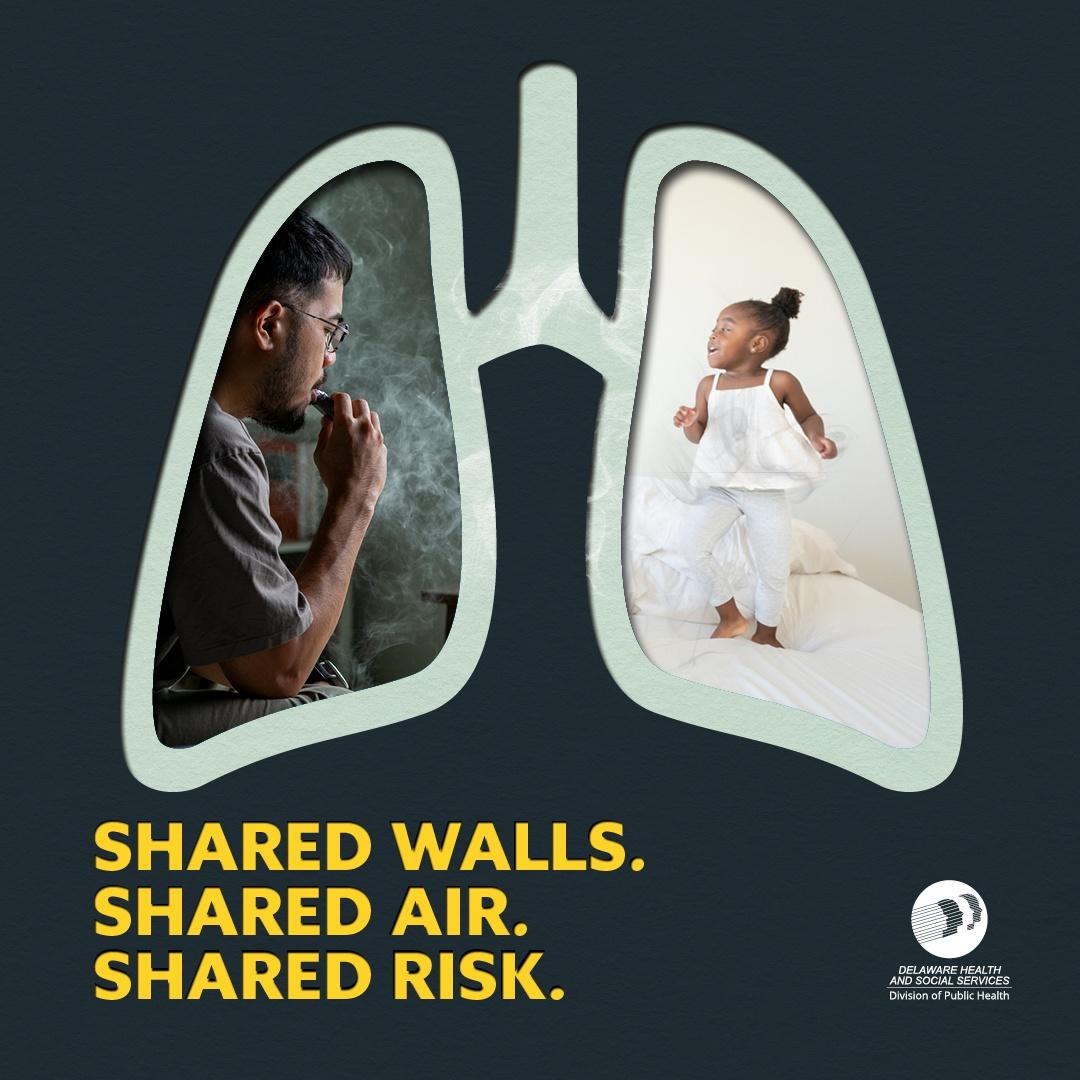
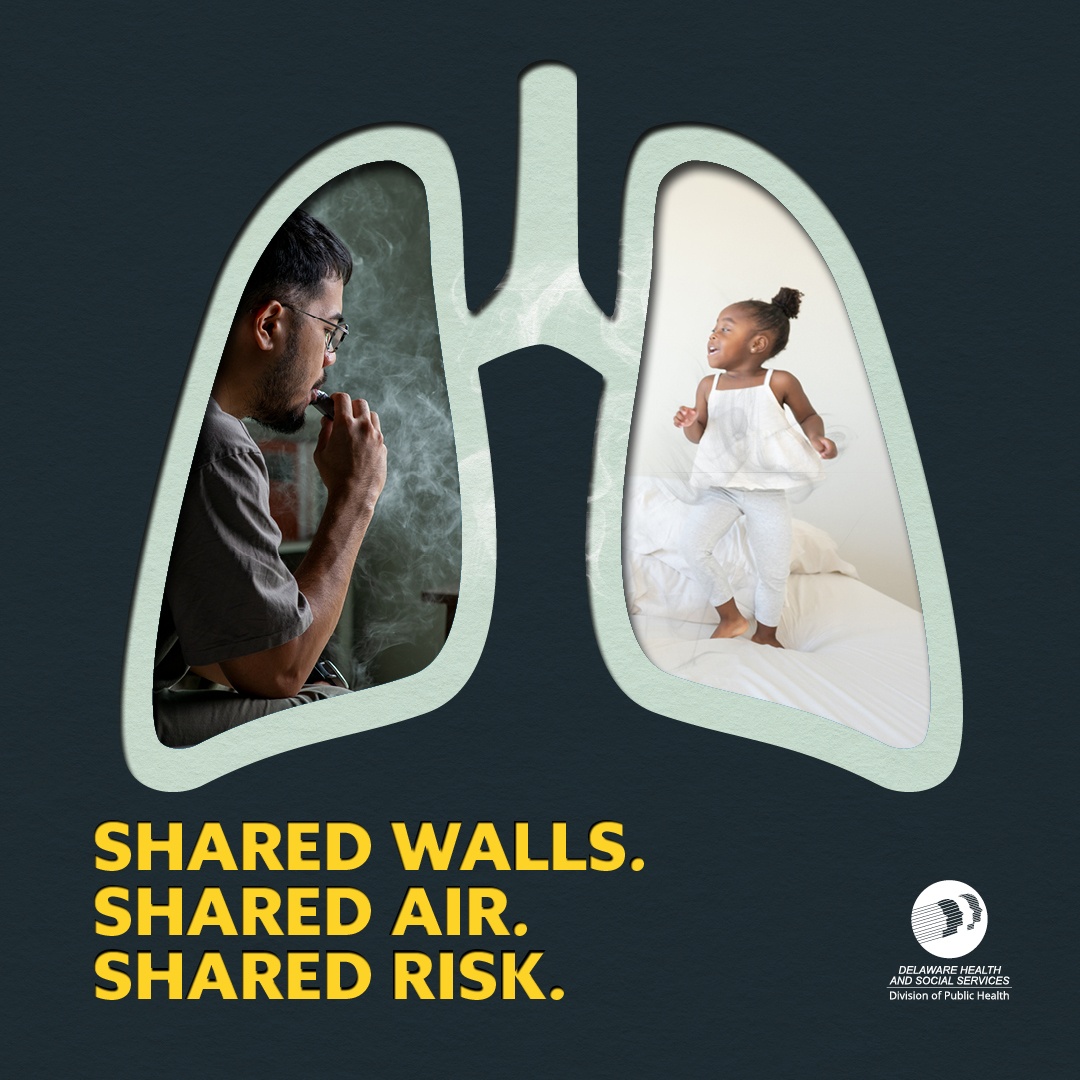
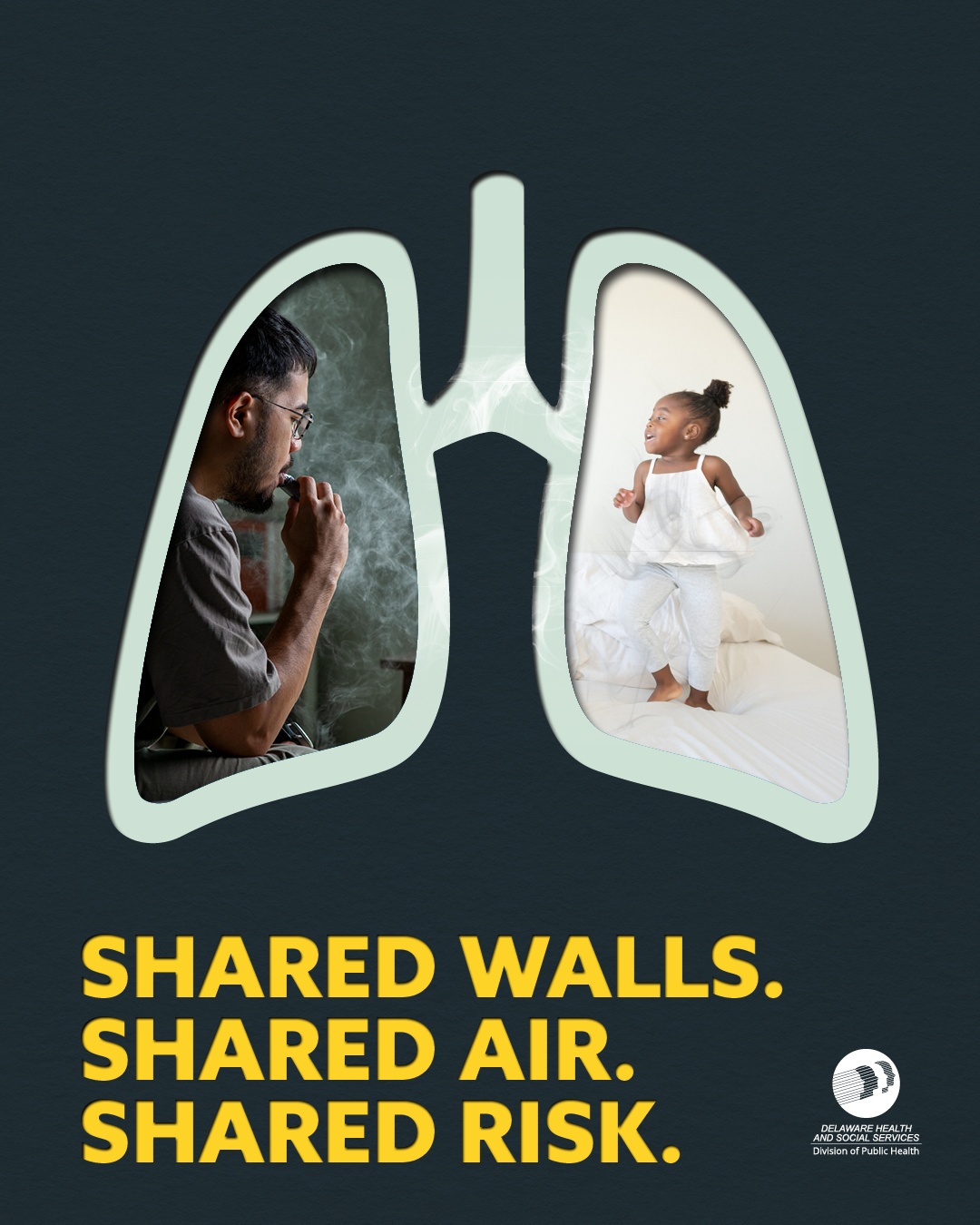
Share walls. Share air. Share risk.
Secondhand smoke and vape aerosol aren't confined by walls. They creep between units, spreading harmful chemicals to nonsmokers. They harm everyone, especially those with asthma. Protect your living space by urging your building to go smoke-free. Check out the resources below to take action.
Spread the wordKnow Your Rights
As a tenant in a rental property, you have the right to live free from exposure to a significant cause of illness in the home and a major cause of preventable death in the United States: secondhand smoke. Smokers, however, do not have a legal right to smoke, meaning that landlords are allowed to prohibit smoking on their properties. As a tenant, this is good for you.
Legal facts:
- Smoking restrictions are NOT discriminatory.
- There is no "right to smoke" under law.
- Nonsmokers with breathing disabilities may have legal protection against exposure to secondhand smoke.
Here are some important things to understand about your rights as a tenant:
- Smoking restrictions in apartments are permitted under federal law.
- Smokers are not a protected legal class, meaning that there is no "right to smoke" under law.
- Laws currently exist that permit you to assert your right to a smoking-restricted apartment.
- If your landlord decides to change or convert the entire building or just some units or portions of the building into smoking-restricted areas, they can grandfather in current smoking residents until such time as the smoking policy can legally be changed under the terms of the lease/rental agreement and Delaware law, such as at the time of lease renewal.
The Fair Housing Act (FHA)
The Fair Housing Act
If secondhand smoke is entering your apartment, there are steps you can take to protect your health.
First, keep track of each time smoke enters the apartment (noting the time, date, and any resulting health problems). Document any occurrences where the secondhand smoke prevented the use of certain rooms or the entire apartment. Maintaining a record will strengthen your case by demonstrating the frequency and severity of the smoke drift. Also, it can help establish causation between the secondhand smoke and resulting health issues.
Second, consult a health care provider and obtain a note documenting the disability in detail and explaining the need for accommodations. This is a key part of the process, because in order to prevail in court, a tenant must show that the landlord knew or should have known about the disability - a health care provider's note will add clarity to this legal issue.
Finally, gather the above records and file a request for a reasonable accommodation. Some reasonable accommodations include asking the landlord or management agency to:
- Prohibit smoking in common areas, such as the rooftop, deck, pool, stairwell, or lobby.
- Prohibit smoking in all apartments in the building.
- Allow you to break your lease without penalty.
- Change or seal off the air ventilation system so that you no longer share a vent space with the smoke-free apartment.
- Relocate to a different apartment in the building or a different building in the complex.
When requesting reasonable accommodations, keep in mind that a landlord may deny any request if it creates an undue financial or administrative burden. With that said, the aforementioned accommodation requests should only cause a minimal financial burden to the landlord - for example, implementing a smoke-free policy throughout an apartment building would not present any cost to the management. Also, many states have a smoke-free housing organization or local health department that can provide helpful resources and assistance.
There is no HUD policy that prevents landlords from adopting smoking restrictions in common areas or in individual units.
Smoking restrictions are permitted under federal law, including the federal Fair Housing Act.
Landlords must also be sure to make considerations for smoking residents already living in their buildings, such as providing a reasonable period of notice (e.g., instituting the smoking restrictions at the time of lease renewal).
Renter Resources
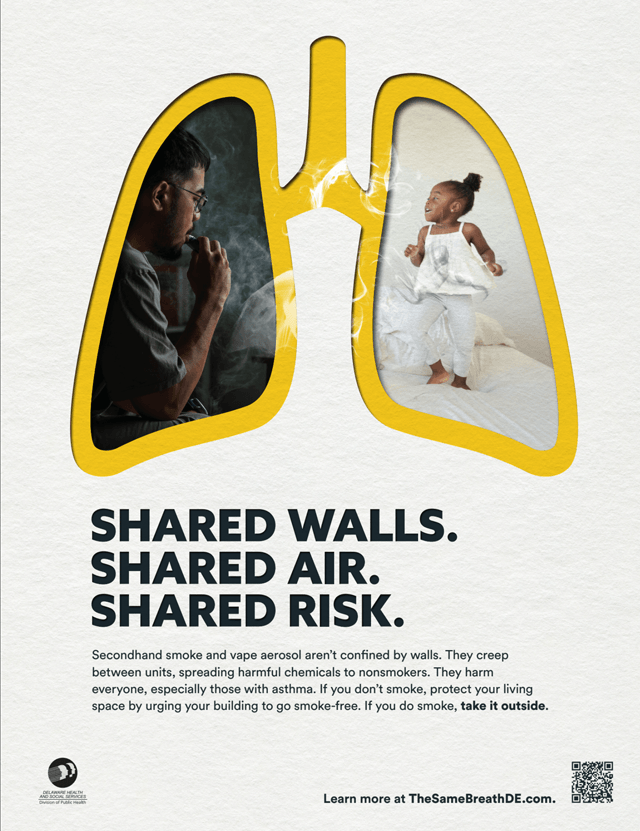
Smoke-Free Flyer
This helpful flyer encourages fellow tenants to help fight for smoke-free living and to stop smoking indoors. Leave this flyer in common areas, share it with neighbors, or include it with building mail.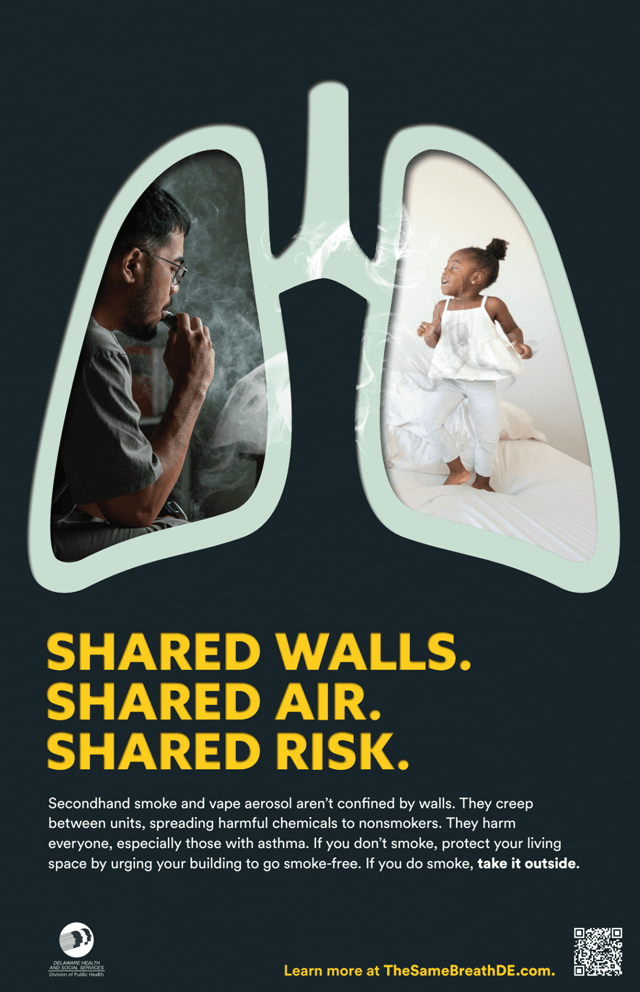
Smoke-Free Poster
This helpful poster encourages fellow tenants to help fight for smoke-free living and to stop smoking indoors. Post this in high-traffic areas like lobbies or entryways to raise awareness and show support for a smoke-free building.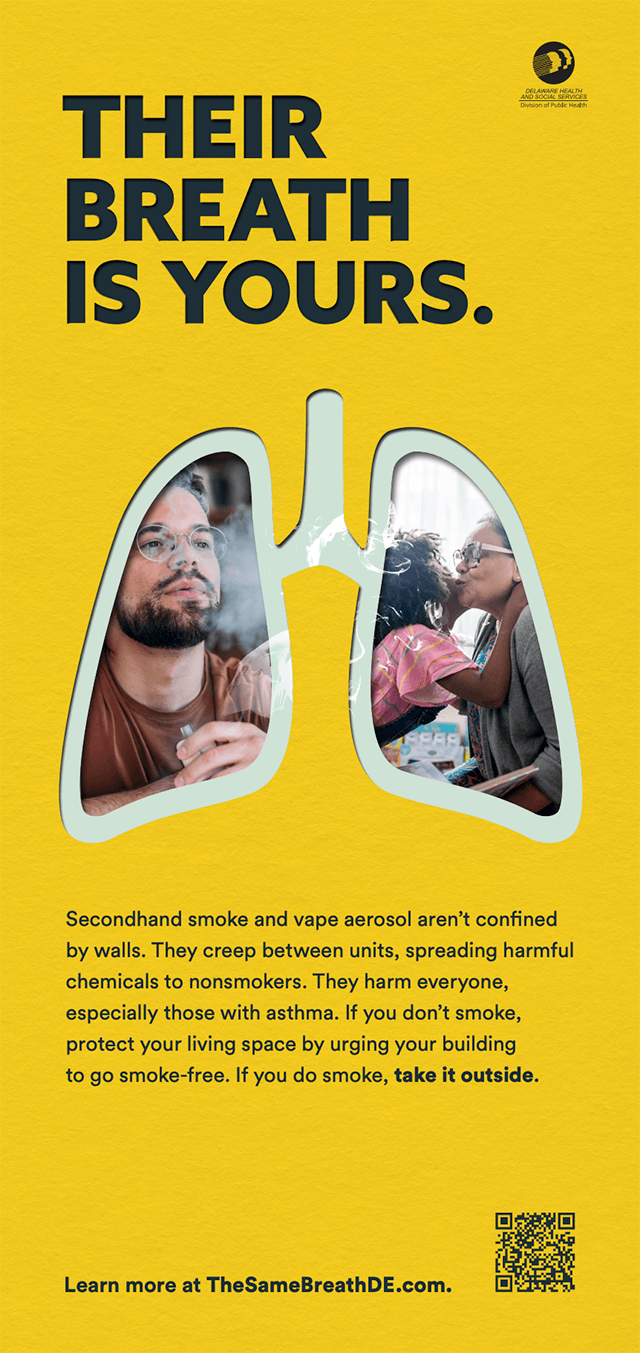
Smoke-Free Rack Card
This helpful resource informs your fellow tenants about the harm of smoking indoors, especially to those with asthma. Display this handout in high-traffic areas like lobbies and entryways, or share by mail.Sample health care provider letter
Give to your health care provider to make sure they include all necessary info to support your request for a smoke-free apartment.Secondhand smoke communication record
You’ll likely need to talk with multiple parties. Use this to keep track of all the topics you discuss as well as the people you discuss them with.Delaware smoke free housing
List of apartments in Delaware that currently have a smoke-free housing policy.Infiltration of secondhand smoke into condominiums, apartments, and other multiunit dwellings
Law synopsis by the Tobacco Control Legal Consortium.Secondhand tobacco smoke and children’s health
Official information from the Centers for Disease Control and Prevention to support a smoke-free environment.
Tools
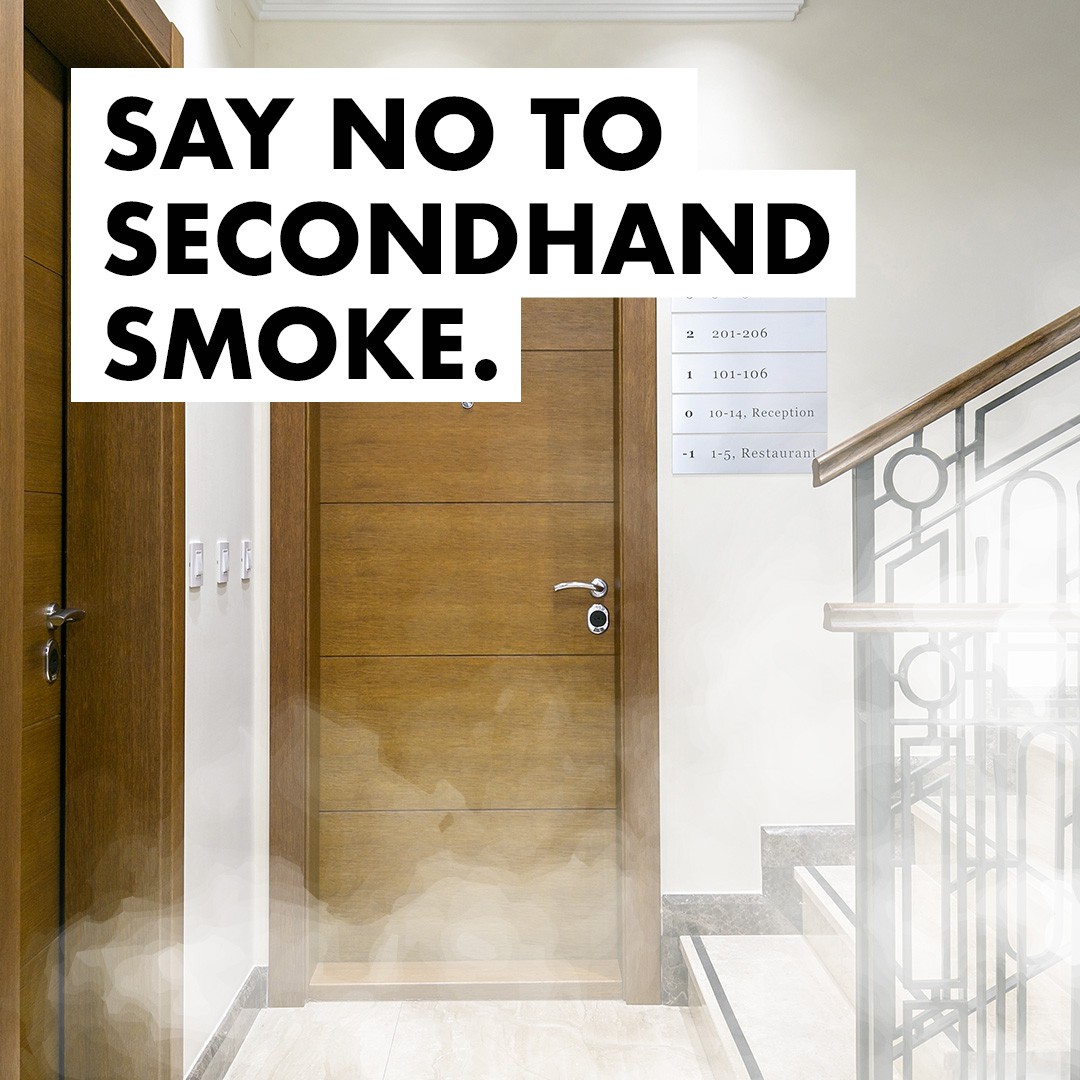
Smoke-free social media posts for tenants.
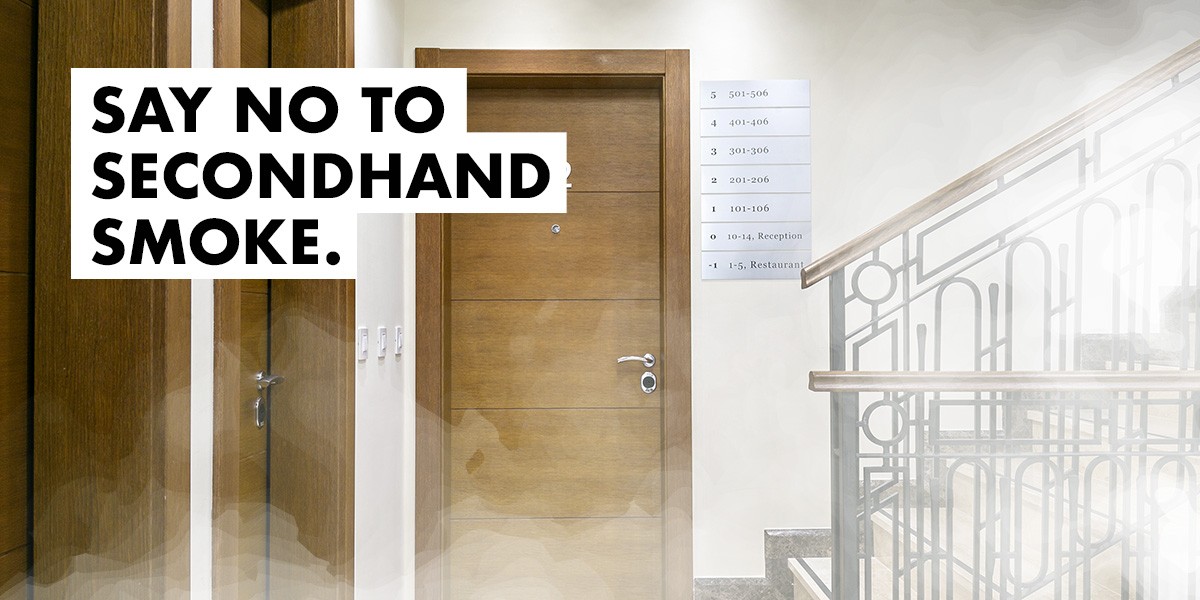
Share to remind people of the dangers of indoor smoking and their rights as tenants to a smoke-free home. Posts also contain a link for more information and resources to help tenants fight for smoke-free living. Available for Facebook, X, and Instagram.




FAQs
If moving is not an option, there are other actions you may be able to take. Follow these steps.
In most types of housing, the federal Fair Housing Act prohibits discrimination against people with disabilities. If you have a disability that is affected by secondhand smoke, and secondhand smoke is preventing you from having equal access to your housing, you might be able to request a reasonable accommodation, such as implementing smoking restrictions for your building, being moved to a smoking-restricted building, installing a separate ventilation system, or sealing off your apartment.
If you are being evicted from your apartment in retaliation for making a complaint, you have rights, and your landlord must follow proper legal procedures for evicting you from your apartment. You may be able to show that there has been an illegal retaliatory eviction, which is when a landlord attempts to evict a tenant in response to some action taken by the tenant. There are four kinds of retaliatory evictions:
- Eviction action or the threat of eviction
- A nonrenewal of the lease
- Increasing your rent
- Decreasing your services