Educator toolkit
They can quit vaping. You can help.
A plan can change young people’s lives. Here, you’ll find lots of ways to engage students, teachers, parents, and others in the fight against the vaping epidemic sweeping through our schools.

What’s in it for you?
Every day, the tools in this kit provide an opportunity for you to raise awareness about the dangers of e-cigarettes, prevent nicotine addiction and vaping-related lung injuries among our youth, and help those who already vape find the support and guidance they need to quit.
These belong in schools.
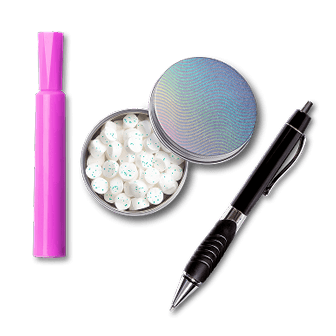
These don’t.
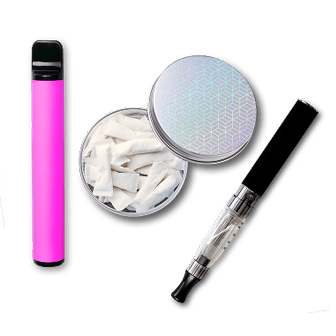
Help them — inside and outside the classroom.
When we understand the facts, risks, and signs of youth vaping, we’re better equipped to give help. Download the free webinar and explore practical tools designed for your classroom.
View Presentation3.4MBTools
Vape Education and Outreach Materials
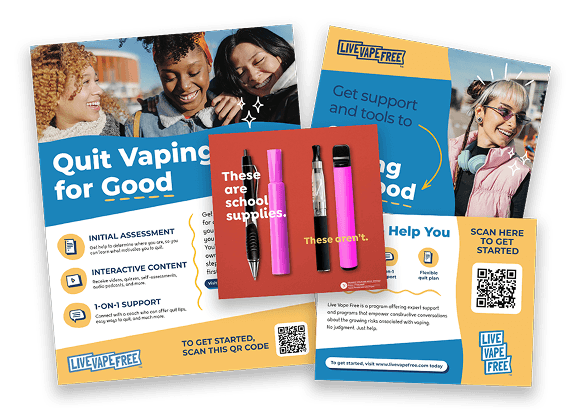
To take action, people need to know where to start. View these posters and flyers to post and distribute around your school.
Educational Curriculums
Here, you can find ready-to-use lesson plans, activities, and anti-vaping programs from leading educational and health organizations. Most lessons are free, and one can be accessed at no cost by calling 302-744-1010.

National Vaping Prevention Curriculum
Bring this digital learning experience to your classroom to educate students on the dangers of e-cigarette use — and provide those who vape with confidential quit resources.

Catch My Breath: Youth Vaping Prevention Program
This evidence-based prevention program informs and empowers teens to be vape-free. Explore classroom lessons, modules, virtual field trips, and more.

Indepth: An Alternative to Disciplinary Measures
Teens struggling with nicotine addiction need support — not punishment. INDEPTH educates students and gives them the tools they need to quit.
Stanford Tobacco Prevention Toolkit
Prevention starts with education. Help reduce and prevent youth tobacco and nicotine use with trusted tools and resources.
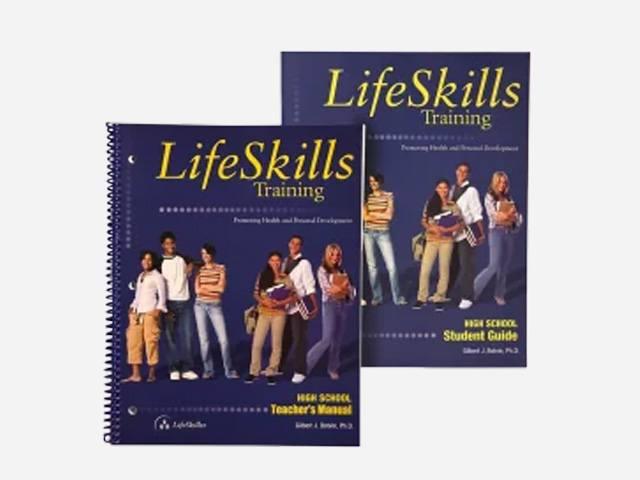
Empower Your Students with Life Skills
This free initiative helps you teach your students essential life skills to prevent vaping, smoking, drinking, and other high-risk behaviors.
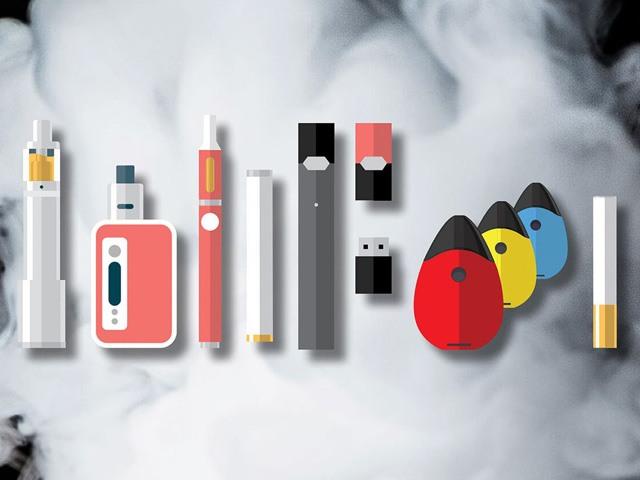
Vaping Visual Dictionary
Know the facts — spot the smoke. The Centers for Disease Control and Prevention has free resources to help you prevent, detect, and reduce teen vaping.
Educator Resources
FDA Real Cost Campaign
“The Real Cost” campaign website and social media channels are intended for one target audience: youth ages 12–17.CDC.gov
The U.S. Centers for Disease Control and Prevention (CDC) is the leading authority on e-cigarettes and vape devices.Model School Policies
Here, you will find a comprehensive model policy that your school and school district may adopt. The policy was prepared by the Public Health Law Center in order to promote an environment free of commercial tobacco in primary and secondary schools.
The American Lung Association also offers a school policy document regarding the establishment of a tobacco-free campus. You can download and adapt the document for use by your own school.
SAMHSA Guide on Reducing Vaping Among Youth and Young Adults
This guide targets school administrators, community leaders, educators, parents, and policymakers. It informs them about the rising rates of vaping among youth and discusses effective programs and policies to prevent vaping, challenges to reducing e-cigarette use and vaping, and program and policy implementation strategies that can be used to address those challenges.Enforcement from DATE (Delaware Alcohol and Tobacco Enforcement)
Here are specific enforcement and violation recommendations your school can follow with regard to first-time and repeat offenders — whether student or staff member — who smoke or vape in or around your school.
Tools
Social Media Resource Kit
As educators, you and your colleagues see vaping and its harmful effects on students every day. You are also uniquely positioned to combat the rise in vaping by sharing vital information and resources with your students. The social media content below is for use on school and educator social media channels. Schools, superintendents, principals, and individual teachers often have high student followings and are excellent sources for sharing information about the dangers of vaping.
Instructions for Posting
School Supplies/Vaping Devices
It may be difficult to spot a vaping device in a child’s backpack, as it could be disguised as a school item like a highlighter or pen 🖊️. Learn to spot the signs of nicotine use by visiting VapeFreeDE.org.
Download Image
Mints/Nicotine Pouches
Are those mints or nicotine pouches in a teen’s backpack? We’ll provide the resources to help you prevent nicotine addiction early and by recognizing the signs and symptoms of nicotine use. Visit VapeFreeDE.org.
Download Image
School Supplies/Vaping Devices
Are students prepping for an exam with a pen or highlighter — or is it a vape in disguise? Visit VapeFreeDE.org to spot the signs of vaping to prevent nicotine addiction and help teens live a healthier life as they enter adulthood.
Download Image
Mints/Nicotine Pouches
Is your high school student popping a mint from what appears to be a mint container — or is it really a nicotine pouch? We’ll help you spot the signs of nicotine use, provide tailored cessation resources, and more at VapeFreeDE.org.
Download Image